Explained: Polish Consular Services Abroad and When You Actually Need an Appointment
Journal — 6 min read
Many consular matters can be done online or by post, but passports and some civil records still need an appointment. Which is which, and how to book.
Written by Waleed. Published , updated .
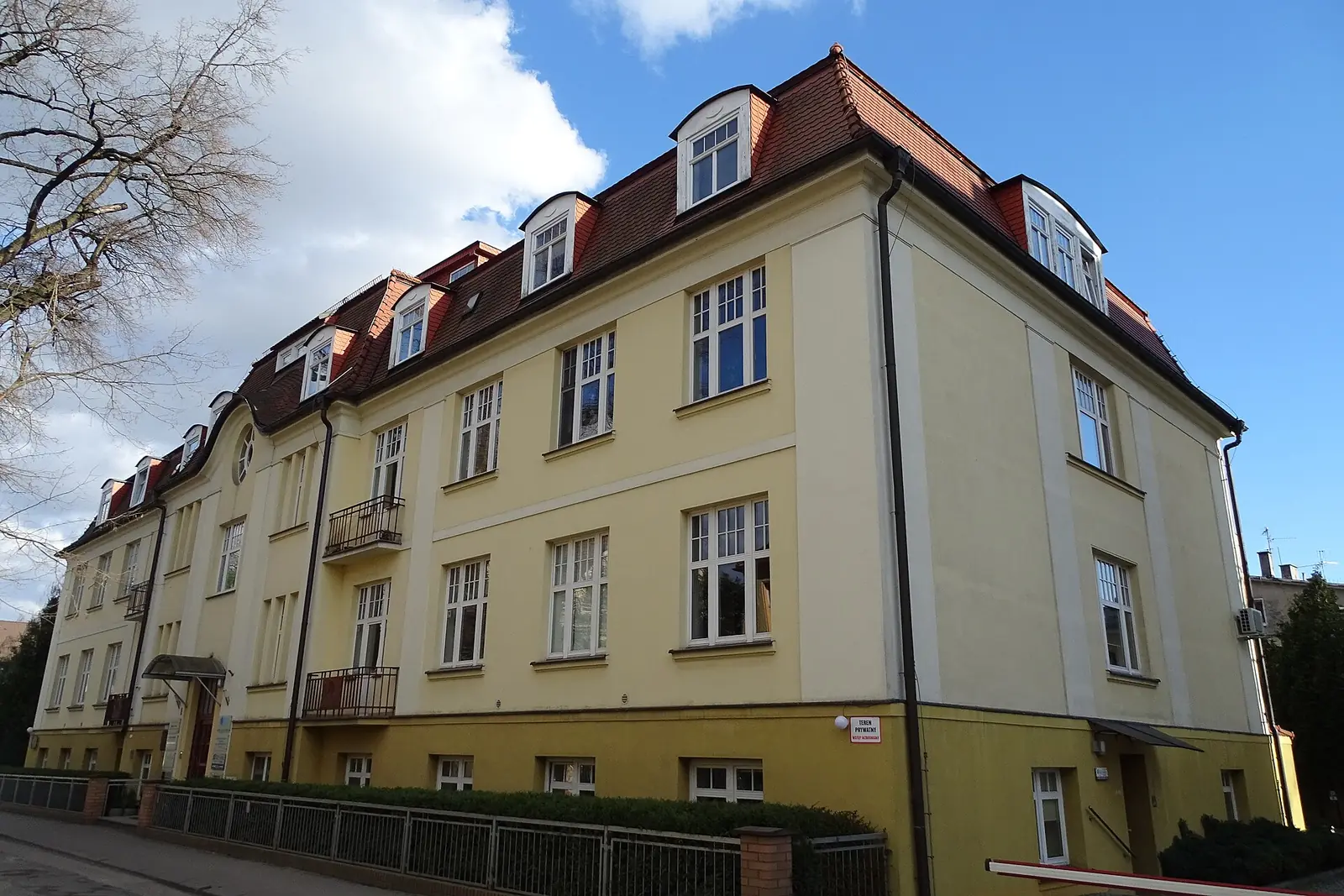
What a Polish consulate actually is
A Polish consulate isn’t a town hall abroad, but it does handle selected public administration for Polish citizens outside Poland. Depending on the country, services may be provided by a consular section of an embassy, a consulate general, or, in a more limited way, by an honorary consulate.
The official network of Polish missions abroad is maintained by Poland’s Ministry of Foreign Affairs and is the best starting point for finding the office responsible for your region. This matters because consular jurisdiction is territorial: the nearest office is not always the one that handles your address.
For the diaspora, the consulate is often most visible through passports, citizenship matters, birth and marriage registrations, emergency travel documents, and assistance after loss, accident, arrest, or death abroad. It can also authenticate signatures, certify certain documents, and help you navigate Polish administrative procedures from a distance. I wrote about a related problem in “How to Register a Child Born Abroad as a Polish Citizen: Documents, Deadlines and Common Mistakes”.
Services that usually require an appointment
Most document-based consular services require a booked appointment. The reason is practical: staff must verify identity, inspect originals, collect signatures, and often take biometric data. Walk-in service is increasingly rare, especially in countries with large Polish communities.
Passport applications are the classic example. Adult passports generally require the applicant to appear in person because identity must be confirmed and fingerprints may be collected. Children’s passport applications also involve specific parental consent rules, and both the child’s presence and the parents’ documents may be relevant depending on age and circumstances.
Appointments are also normally required for legal and civil status matters, such as applying to register a foreign birth, marriage, or death in the Polish civil registry system. These procedures may involve certified translations, foreign certificates with apostille or legalisation, and careful matching of names, dates, and places across two legal systems.
Notarial-type services, including signature certification, copies, statements, and some powers of attorney, also tend to be appointment-based. The consular officer must be satisfied about your identity and the nature of the declaration. If the document will be used in Poland for property, inheritance, banking, or court purposes, it is wise to check the wording with the Polish institution before visiting the consulate.
Booking through e-Konsulat
In many countries, appointments are managed through e-Konsulat, Poland’s official consular booking and application portal. It is used for a range of services, including passports, legal matters, civil status registration, and visas, depending on the post.
Slots can be limited in busy cities with large Polish populations. If you cannot find availability, check whether the consulate releases appointments at particular times, whether cancellations appear during the week, or whether a different office within the same country can lawfully handle your case. Do not assume you can arrive without a booking because no appointment was visible online.
Be careful with unofficial intermediaries offering paid access to appointments. Consular appointments should be arranged through official channels. If you are unsure whether a site is genuine, navigate from the relevant gov.pl consulate page rather than clicking links from social media groups or search advertisements.
Civil status: births, marriages, deaths, and Polish records
Polish citizens abroad often need to “transcribe” foreign civil status records into the Polish system. In practice, this may mean registering a child’s foreign birth certificate in Poland, recording a marriage concluded abroad, or entering a foreign death certificate into Polish records. “A Practical Guide to Finding Polish Schools and Saturday Classes for Children Abroad” covers the next step.
This has real consequences. A Polish birth record may be needed for a child’s passport, PESEL number, inheritance matters, school documentation, or later citizenship issues. A Polish marriage record can affect names, tax affairs, property, and family law documentation. A Polish death record may be required for succession proceedings in Poland.
Foreign documents may need apostille or legalisation before they can be used for Polish administrative purposes. Whether this is required depends on the country and applicable international agreements. Always check before you pay for translations, because translating a document before it has the proper authentication can mean doing the work twice.
Citizenship matters: confirmation, not casual advice
Citizenship questions can be emotionally charged in diaspora families. Some people discover a possible Polish connection through parents or grandparents; others were born abroad to Polish citizens and need proof for a passport. Polish nationality rules are technical, and family stories are not the same as legal evidence.
A consulate may guide you towards the correct procedure, but formal confirmation of Polish citizenship is an administrative matter requiring documents and legal analysis. The general background to Polish nationality law is useful for orientation, but individual cases turn on dates, documents, and whether citizenship was lost, retained, or transmitted under the law in force at the relevant time.
If you are preparing a citizenship confirmation case, gather full civil status records across generations: births, marriages, name changes, naturalisation papers, military records where relevant, and any Polish documents. The stronger the documentary chain, the smoother the process is likely to be.
What the consulate cannot do
It is comforting to imagine the consulate as an all-purpose Polish authority abroad, but its powers are limited. It cannot issue Polish ID cards, conduct every procedure available in Poland, or replace local courts, police, hospitals, or immigration offices. It also cannot guarantee outcomes in private disputes, employment conflicts, custody cases, or landlord problems.
In legal trouble abroad, the consulate can usually provide general information and may offer a list of local lawyers, but it cannot represent you in court. If you are arrested, you have the right to ask local authorities to notify the Polish consulate, but the proceedings remain under local law.
Questions and answers
Do I always need an appointment at a Polish consulate?
For most document services, yes. Passports, civil status registration, notarial services, and many citizenship-related matters usually require an appointment. Emergencies, such as lost documents before urgent travel or serious incidents involving Polish citizens, should be handled through the consulate’s emergency contact route.
Can I go to any Polish consulate in the country where I live?
Not necessarily. Consulates often have territorial jurisdiction. You should check which Polish mission is responsible for your address before booking. In some cases, another office may be able to help, but you should not assume this without confirmation.
Can an honorary consulate issue my passport?
Usually not. Honorary consulates have limited powers and often cannot handle biometric passports, complex civil status matters, or formal consular legalisation. They may provide local support, information, or limited assistance, but core services are normally handled by a professional consular post.
What if there are no appointments available online?
Check the official page of the relevant consulate for information about when new slots are released. Look for cancellations, try again at different times, and make sure you are selecting the correct service category. If the matter is genuinely urgent, contact the consulate and explain the urgency with evidence.
Should I translate my documents before contacting the consulate?
Not always. First check whether the foreign document needs apostille, legalisation, a full certified translation, or a particular form of translator. Doing the steps in the wrong order can waste time and money. The consulate’s local guidance is the safest place to begin.
Keep reading
How-to — 5 min read
How to Register a Child Born Abroad as a Polish Citizen: Documents, Deadlines and Common Mistakes
A child born abroad to a Polish parent is Polish from birth, but the birth still has to be entered in the Polish civil register. The documents, the…
How-to — 6 min read
How to Vote in Polish Elections While Living Abroad: Registration, Consulates and Key Dates
Voting from abroad takes one extra step: registering in the voters’ list for a consular district before the deadline. How to do it and what to bring…