Polish Community in Vienna: Traditions and Events
Journal — 5 min read
To meet the Polish community in Vienna, start with the Polish Institute’s events, Polish-language classes and a local parish or interest group. Choose one activity you can attend regularly; shared routines make it easier to build friendships and keep family traditions alive.
Written by Piotr Zając. Published , updated .
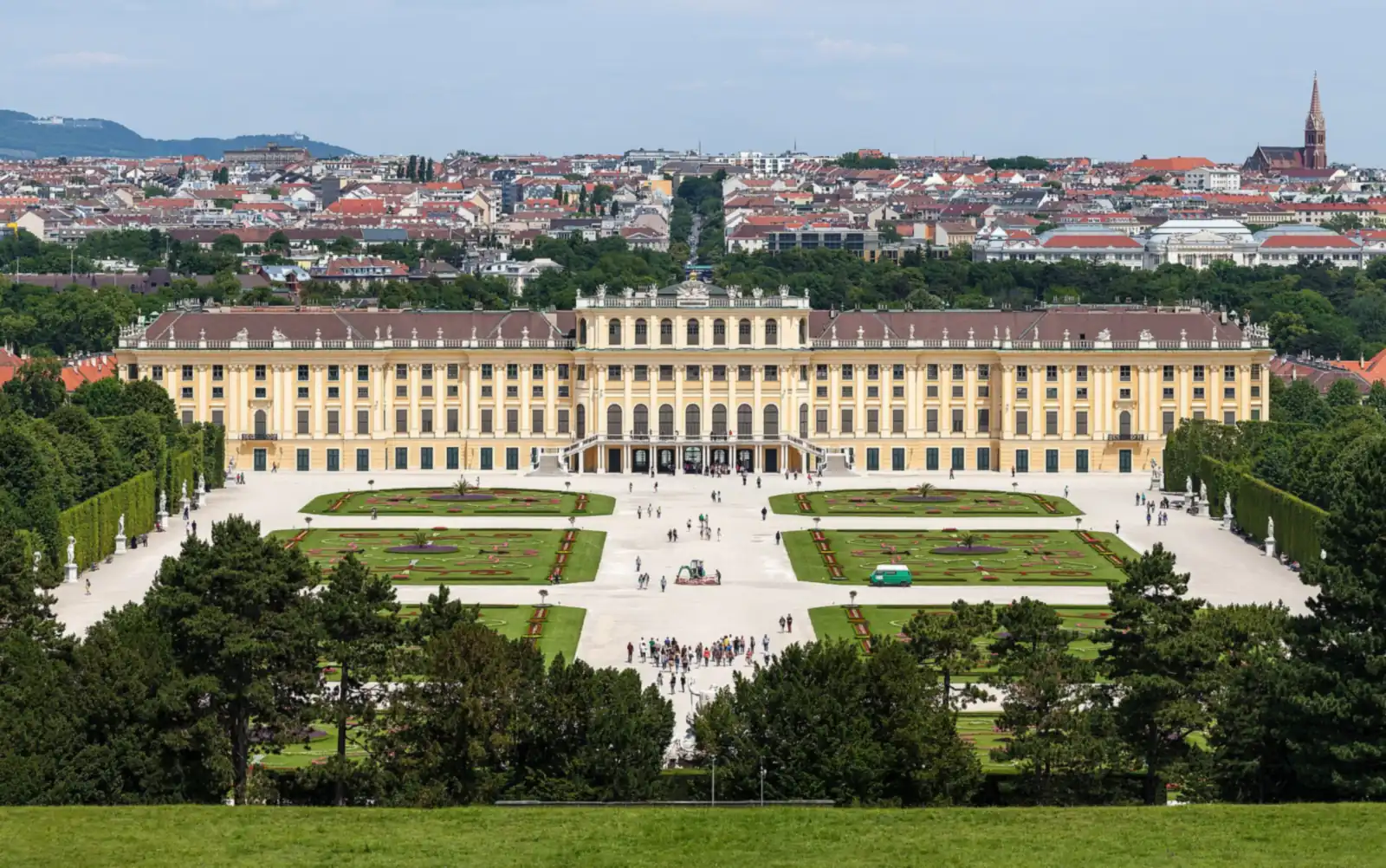
Polish Vienna, Past and Present
The Polish community in Vienna is spread across neighbourhoods and generations. A parent looking for Polish lessons, a student hoping to meet friends and a couple planning a bilingual wedding may need different starting points. There is no single organisation you must join before taking part. If arriving alone feels awkward, choose an activity you already enjoy, whether that is film, books, singing or a family workshop. Ask who it is intended for before you go; you do not need to arrive already knowing someone.
Family connections between Vienna and Poland sit alongside newer moves for work, study and relationships. Some households use Polish every day; others are rebuilding a language that grandparents spoke. The word Polonia is often used for Polish communities abroad, but it does not describe one uniform experience. You can take part if your Polish is rusty, if your partner is Austrian or if you are simply interested in Polish culture.
Where Community Life Happens
For parents, a regular class can provide both language practice for children and a chance to meet other families. Ask about age groups, teaching language, attendance and enrolment dates rather than assuming every Polish school follows the same format. Our A Practical Guide to Finding Polish Schools and Saturday Classes for Children Abroad explains the questions to ask before choosing a programme.
The Polish Institute in Vienna, at Am Gestade 7, 1010 Wien, is a useful starting point for film, literature, exhibitions and music. Its programme lists the actual venue for each event: an Institute event may take place elsewhere. Check the date, language and any registration requirement on the individual listing. An exhibition opening may suit someone who wants a short visit, while a discussion or screening gives a newcomer a ready-made subject for conversation.
The University of Vienna’s Department of Slavonic Studies offers another route into Polish language and culture through its academic programme and announcements. Check whether a particular talk welcomes the public; a university course and an open event are different things. For informal friendships, a recurring activity is usually more useful than collecting a long list of organisations you never have time to visit.
Three practical starting points
| Your aim | Where to start | What to ask |
|---|---|---|
| Attend Polish cultural events | Polish Institute, Am Gestade 7 | Which language is used, and do I need to book? |
| Find Polish education for a child | Jan III Sobieski Polish School, Promenadeweg 3, 1230 Wien | Which class fits the child’s age and Polish-language level? |
| Meet people through a shared interest | A public lecture, workshop, choir or parish group | Can newcomers attend, and when does the group next meet? |
The school address and the Institute address are in different parts of Vienna. Plan the actual journey before committing to a weekly activity, especially with a child after a full school day. Save the organiser’s contact details as well as the map location so you can ask about a late arrival or a changed room.
Marking Occasions with Polish Warmth
Ask which occasions matter in the household rather than assuming every Polish family celebrates in the same way. Some keep imieniny, or name days, alongside birthdays; others put their energy into Christmas Eve or an Easter meal. A simple question such as “Do you celebrate your name day?” is more useful than following a supposedly universal etiquette rule. A cake, a short visit or a signed card may be exactly right.
When flowers are part of a Polish occasion in the city, you can contact a Vienna florist serving Polish family moments and ask whether the required date and address are available. Include the surname on the bell, the staircase and door number where relevant, and a recipient contact. Confirm Sunday availability directly before planning a family lunch around a delivery; a general city service does not guarantee a particular slot.
For a birthday or imieniny, follow the recipient’s favourite colours and preferences before any floral symbolism. Ask whether a strong scent would be welcome and whether there is a suitable vase. For condolences, keep the message short and let the family’s wishes guide the gesture. Our guide to Staying Close from Abroad: Sending Flowers Home to Family in Warsaw for Name-Days and Holidays covers the extra delivery details when relatives live in Poland.
Weddings, Sacraments and Family Milestones
A mixed Polish-Austrian wedding becomes easier to plan when the couple chooses a few meaningful customs early. For example, you might use bilingual readings, explain a bread-and-salt welcome to guests and print a short translation of the speeches. Ask the celebrant and venue what is practical before booking music or decorations. Guests should be able to understand the occasion without needing to know every tradition in advance.
For a First Communion, confirmation or another family milestone, start with the relevant parish or organiser. Ask about preparation, language, dates and documents before relatives book travel. Give visiting family one clear schedule, including the ceremony address and the meeting point afterwards. If the celebration leads to a wider discussion about moving home, keep that separate from event planning; Moving Back to Poland After Years Abroad: Taxes, Healthcare, Schools and First Steps covers the practical questions.
A manageable plan for your first month
Choose one event to attend and one person or organisation to contact. After the event, ask about the next meeting rather than trying to learn everything about the community at once. If an activity is not a good fit, try a different format: a busy reception, a quiet reading group and a children’s workshop create very different opportunities to talk.
My practical tip: arrive ten minutes early with one simple question ready, such as “Is this a regular group?” It gives you a natural reason to speak to the organiser before the room gets busy. For more approaches, see ways to meet other Poles abroad beyond Facebook groups.
Questions and answers
Where can Polish people in Vienna find cultural events?
Start with the Polish Institute in Vienna, Polish associations, parish notices, embassy-related announcements, university events and trusted local groups. Cultural life is spread across the city, so it helps to follow several calendars rather than relying on just one.
Which Polish traditions are easiest to maintain abroad?
Christmas Eve, Easter baskets, All Saints’ Day candles, name days, Polish food traditions and family blessings are among the easiest to keep because they can be practised at home. They do not need large institutions, only intention and continuity.
Do Polish families in Vienna usually celebrate name days?
Many do, though it varies by generation and household. Some mark imieniny with flowers, sweets, a phone call or a small dinner; others focus more on birthdays. Abroad, name days can be a charming way to keep a distinctly Polish rhythm in the calendar.
How can newcomers connect with the Polish community in Vienna?
Go to one or two public events, introduce yourself after Mass or a cultural programme, ask about Polish language groups, and accept informal invitations when they come. Community often begins with practical questions: where to find a school, a translator, a choir, a shop, a doctor, or simply someone who understands what it feels like to arrive.
What is the best way to honour Polish customs in a mixed Polish-Austrian family?
Choose the customs that feel meaningful, explain them warmly, and let both cultures appear. A bilingual toast, a Polish carol beside an Austrian dessert, or an Easter basket followed by a Viennese walk often feels truer than forcing a perfect version of either tradition.
Keep reading
Guide — 5 min read
A Practical Guide to Finding Polish Schools and Saturday Classes for Children Abroad
For many Polish families abroad, Saturday school is where children make friends who share their second language. How to find a school, what the…
Journal — 6 min read
Explained: Polish Consular Services Abroad and When You Actually Need an Appointment
Many consular matters can be done online or by post, but passports and some civil records still need an appointment. Which is which, and how to book.